


How to Choose a Web Development Company in Delhi NCR
The short answer
To choose a web development company in Delhi NCR, verify four things before price: that they will show you live work you can open and test yourself, that you will own the domain, hosting and source code, that a named person will be accountable for delivery, and that the quote states the number of page templates, the integrations in scope and the post-launch support terms in writing. Companies that answer all four clearly are usually worth paying more for than those that lead with the lowest number.
Delhi NCR has an unusually crowded development market. Rohini, Noida Sector 62, Gurugram Cyber City and Ghaziabad all host large clusters of agencies and freelancers, and the visible difference between them is small. Everyone shows a portfolio. Everyone claims full-stack capability. Prices for what sounds like identical work can differ by a factor of ten.
These are the checks that actually separate them.
1. Open the portfolio, do not look at it
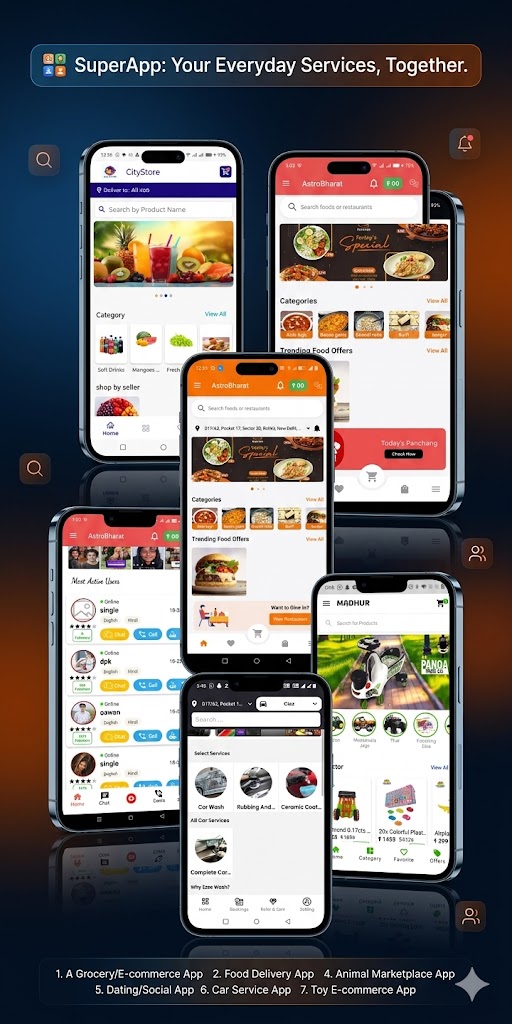
Screenshots prove nothing. Ask for live URLs and open them on your own phone. Do the pages load quickly? Does the layout hold together on a small screen? Are the sites still online at all? A portfolio of dead links is a real and common finding.
Then ask a sharper question: which parts of this project did you do? It is normal for an agency to have delivered only the frontend, or only a redesign of an existing platform. That is fine — but you want to know it.
2. Establish who actually does the work
You will often be sold by a senior person and delivered to by someone else entirely. Ask who will write the code, who will design it, and who your day-to-day contact is. Ask whether any part is subcontracted. There is nothing wrong with a small team, but you should know its size before you commit.
3. Insist on ownership in writing
Three things should be in your name from the start:
- The domain. Registered to you, in an account you control.
- The hosting. Even if the agency manages it, the account should be yours.
- The source code. Including design files.
The most expensive situation in this industry is a business that cannot move away from its developer because the developer holds the domain. Settle this before work starts, when it costs nothing to settle.
4. Read the quote for what it omits
A vague quote is a future dispute. A good one states the number of unique page templates, the specific integrations included, who supplies content and images, the number of revision rounds, the warranty period after launch, and the annual cost thereafter. If any of those is missing, ask — and get the answer in the document, not in a WhatsApp message.
5. Test responsiveness before you pay
How quickly a company replies during the sales conversation is the best available predictor of how quickly it will reply once it has your money. If pre-sales responses take three days, post-sales will not be faster.
6. Be careful with the cheapest quote
A very low quote is not automatically bad, but it is always explained by something. Usually it is a stock theme with light customisation, no testing beyond one browser, no performance or structured-data work, and no support after handover. Sometimes that is exactly the right trade. Make it knowingly.
7. Ask what happens when things go wrong
Projects slip. The useful question is what the company does about it. Ask how they handle a missed milestone, who you escalate to, and what the exit terms are if you want to stop. A company that has thought about this will answer immediately. One that has not will change the subject.
Frequently asked questions
What should I ask a web development company before hiring?
Does it matter if the company is local to Delhi NCR?
How can I verify a portfolio is genuine?
Should I pay the full amount upfront?
Planning a project?
Tell us what you are building and we will tell you honestly what it takes.
Talk to Gletus Technology