home
Mobulous - Real Estate App Development
GLETUS Technology

E-Commerce and Shopping App Development

E-commerce app development is the process of creating a mobile application for online shopping, which includes core features like user accounts, product catalogs, a secure shopping cart, and payment processing. The process involves market research, defining features, choosing a technology stack, designing an intuitive user interface, development, testing, and ongoing maintenance.

Property Buying & Selling
Virtual Property Tours
Smart Analytics Dashboard
Discover
$450,000
Downtown Apartment
3 beds β€’ 2 baths β€’ 1,200 sqft
$650,000
Suburban House
4 beds β€’ 3 baths β€’ 2,100 sqft
$320,000
City Condo
2 beds β€’ 2 baths β€’ 950 sqft

Top E-Commerce and Shopping App Development Company

Here’s a comprehensive overview of E-Commerce and Shopping App Development:

E-commerce app development is the process of creating a mobile application for online shopping, which includes core features like user accounts, product catalogs, a secure shopping cart, and payment processing. The process involves market research, defining features, choosing a technology stack, designing an intuitive user interface, development, testing, and ongoing maintenance. .

What is E-Commerce and Shopping App Development?

E-commerce app development is the process of designing and building mobile or web applications that allow users to browse, select, and purchase products or services online. These apps are tailored to provide a seamless shopping experience and often integrate features like payment gateways, product management, and customer engagement tools.

Key Features of E-Commerce & Shopping Apps

User Registration & Profiles Social media or email sign-up/login User profiles for order tracking and personalized recommendations Product Catalog & Search Detailed product listings with images, descriptions, prices Advanced search and filtering options Shopping Cart & Wishlist Easy-to-add/remove products Save favorite items for later Secure Payment Integration Multiple payment options (cards, UPI, wallets, COD) End-to-end encrypted transactions Order Management & Tracking Real-time order status updates Push notifications for delivery Personalization & Recommendations AI-driven suggestions based on browsing history Personalized discounts and offers Reviews & Ratings Customer feedback system for products and services Admin Panel Inventory management Order processing and analytics User management Loyalty Programs & Promotions Coupons, discounts, and reward points Seasonal and personalized campaigns Multilingual & Multi-Currency Support Especially important for global marketplaces

Technologies Used

Frontend: Mobile: React Native, Flutter, Swift (iOS), Kotlin (Android) Web: React.js, Angular, Vue.js Backend: Node.js, Python (Django/Flask), Ruby on Rails, Java (Spring Boot) Database: MySQL, PostgreSQL, MongoDB, Firebase Other Tools: Payment Gateways: Stripe, PayPal, Razorpay Cloud Hosting: AWS, Google Cloud, Azure Analytics & Marketing: Google Analytics, Firebase Analytics.

Benefits of E-Commerce App Development

Wider Reach – Access to a global customer base. Enhanced Customer Engagement – Push notifications and personalized experiences. Increased Sales – Convenient shopping anytime, anywhere. Data-Driven Insights – Analytics to optimize marketing and inventory. Brand Loyalty – Loyalty programs and personalized offers build long-term relationships.

Steps to Develop an E-Commerce App

Market research & competitor analysis Define app features & user journey Design UI/UX Choose technology stack Develop backend & frontend Integrate payment gateways & third-party services Conduct testing (functional, performance, security) Launch & marketing Post-launch updates & maintenance

E-Commerce and Shopping App Development Services

Custom E-Commerce App Development

"Custom e-commerce app development involves creating a mobile application specifically tailored to a business's unique needs, offering greater flexibility than off-the-shelf solutions. The process includes market research, defining features, designing the user interface, front-end and back-end development, rigorous testing, and post-launch maintenance and updates. Essential features often include secure payment systems, user accounts, and real-time order tracking.

Shopping Cart Integration

"Shopping cart integration is the process of connecting a shopping cart platform to other business systems, such as payment processors, inventory management, and shipping providers, using APIs. This connection automates data exchange, ensuring real-time synchronization of orders, products, and customer information, which improves efficiency and reduces manual entry. For example, when a customer makes a purchase, the integration automatically updates stock levels, calculates taxes, and processes the payment.

Payment Gateway Development

Payment gateway development is the process of building a system that securely connects a customer's bank to a merchant's bank to process transactions online. Key aspects include designing an intuitive user interface, implementing robust security measures like encryption and tokenization, ensuring compliance with standards like PCI DSS, and integrating with various financial institutions and payment processors. Development also involves choosing the right technology stack and can involve features like recurring payments, multi-currency support, and fraud detection.

Inventory And Order Management Systems

"Inventory and order management systems are software solutions that centralize and automate the process of tracking stock and fulfilling customer orders across multiple sales channels. They improve efficiency by providing real-time inventory synchronization, streamlining order capture, automating shipping, and improving customer communication through features like automated confirmations and tracking updates. Key benefits include reduced errors, optimized stock levels, and a better customer experience .

Multilingual And Multi-Currency Support

Multilingual and multi-currency support allows businesses to serve a global audience by presenting their website, software, or application in multiple languages and currencies, which enhances user experience, builds trust, and increases international sales. This is achieved through features like automatic currency conversion, localized content, and the use of specialized software and plugins, notes Volcone Web Solutions.

Advanced Analytics And Reporting

Advanced reporting and analytics combine detailed, customized reporting with sophisticated analysis to go beyond basic data summaries. It involves using data visualization and techniques like predictive analytics and prescriptive analytics to forecast future trends, recommend actions, and uncover hidden business opportunities. Key features include dynamic dashboards, custom report creation, data filtering and grouping, and the integration of data from multiple sources for deeper insights.

Real Estate App Development β€” User Guide

E-Commerce & Shopping App Development β€” β€˜User Guide’

What Are E-Commerce Apps?

E-commerce apps are software applications that enable the buying and selling of goods or services over the internet through platforms like websites or mobile apps. These apps facilitate online transactions, manage inventory, process payments, and offer a streamlined shopping experience for both customers and businesses. Examples include apps from retailers like Amazon, or marketplaces like eBay and Etsy. .

Transaction processing: They handle secure online payments and transactions, making it easy for customers to complete purchases. Product browsing: Users can browse and search for products and services directly on the app. Inventory management: Apps can manage product listings and stock levels for the seller. Personalized experience: They can offer a tailored and enhanced shopping experience through features like push notifications and targeted recommendations.

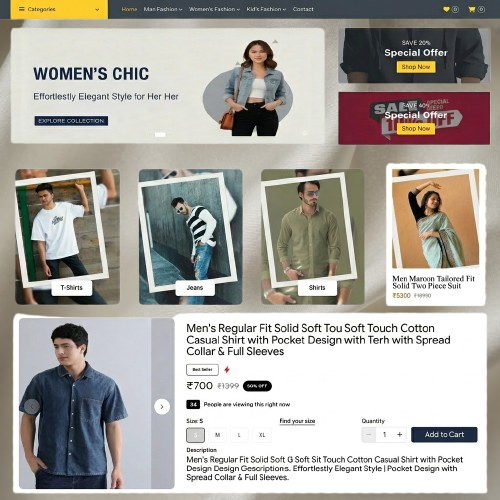
Real Estate App Features

Key Features of Your E-Commerce Apps We Integrate

Fast And Secure Checkout

Fast and secure checkout involves using technologies like SSL/TLS encryption, payment gateways, and tokenization to speed up transactions while protecting customer data. These methods simplify the process through features like one-click payments and saved information, reducing cart abandonment and building customer trust. .

Real-Time Order Tracking

Real-time order tracking is a system that provides up-to-the-minute updates on an order's status, from placement to delivery, using technologies like GPS and logistics databases. This gives both businesses and customers the ability to monitor a package's location and status as it moves through the supply chain, allowing for immediate response to disruptions. To track your own order, you can typically go to the "Your Orders" section of the retailer's website or app and select "Track Package". :

Push Notifications

Push notifications are clickable pop-up messages sent by an app or website to a user's device, even when it's not actively in use. These alerts, which can include text, images, and action buttons, are used for various purposes like sending news flashes, promoting sales, providing shipping updates, or reminding users of an abandoned cart. They appear on mobile devices' lock screens or notification centers and on desktops via web browsers.

Social Media Integration

Social media integration is the process of connecting a brand's social media presence with its other digital channels, like its website or email marketing. This strategy allows for a seamless user experience and is used to drive engagement, traffic, and sales by sharing content across platforms and enabling users to interact with social media from other sites. Examples include embedding social media feeds on a website or adding social share buttons to articles.

AI-Driven Recommendations

AI-powered recommendations use machine learning to analyze user data and provide personalized suggestions for products, services, or content. This technology is used by platforms like Netflix, Amazon, and e-commerce sites to improve user experience, increase sales, and boost engagement by predicting what a user will find relevant. These systems analyze factors like browsing history, past purchases, ratings, and demographics to create tailored suggestions.

Industry Diversified Experience

β€’ Industry Diversified Experience

With over a decade of diverse industry experience, our team specializes in building innovative, secure, and scalable products. We are the trusted partner to consult, design, and deliver exceptional solutions that consistently exceed client expectations.

Maps & Navigation

Healthcare

Food & Restaurant

Event & Bookings

 img no

Education & Academics

On Demand Services

Business & Finance

Logistics

Travel & Hotel

Ecommerce Retail B2B

Social Networking

Real Estate App Development β€” Sourav FAQs & Stats

FAQs β€” E-Commerce and Shopping App Development

What is e-commerce app development?+
E-commerce app development is the process of creating a mobile application that allows users to buy and sell products or services online. This involves building user-friendly interfaces, integrating secure payment systems, and developing backend features for order and inventory management. The goal is to provide a seamless and convenient shopping experience, ultimately aiming to drive sales and customer loyalty.
What is Al in ecommerce?+
AI in e-commerce is the integration of artificial intelligence technologies into online retail to enhance customer experiences through personalization and streamline business operations. Key applications include personalized product recommendations, AI-powered chatbots for customer service, inventory management using predictive analytics, and fraud detection.
How do I create an eCommerce app?+
To create an eCommerce app, you can either use a no-code platform like Appy Pie, Shoutem, or Adalo, or you can build one from scratch by planning the app's features, designing the user interface, developing the backend and frontend, and then testing and launching it. No-code builders are faster and require no coding knowledge, while a custom-built app offers more flexibility.
How much does it cost to develop an e-commerce app?+
The cost to develop an e-commerce app ranges from approximately $10,000 to over $500,000, or β‚Ή3 Lakh to β‚Ή12 Lakh and up, depending heavily on its complexity, features, and platform. Basic apps can cost around $10,000–$50,000, while advanced apps with features like multi-vendor support, AR/VR, and AI integrations can cost $150,000–$500,000 or more. Key factors influencing the final price include design, the number and complexity of features, and the development team's location.
How long does it take to develop a shopping app?+
Developing a shopping app can take anywhere from 2–4 months for a simple app to 9+ months for a complex one, with an average timeline of 3–6 months. The exact duration depends on the app's complexity, features, and the development team's size and expertise.
Is eCommerce profitable?+
Yes, e-commerce is profitable, as the industry continues to grow and offers lower overhead costs compared to traditional retail. Profitability depends on factors like a smart business model, niche selection, operational efficiency, and effective marketing. The ability to reach a global customer base and operate 24/7 also contributes to its potential for financial success.

Some of our finest work.

450+

Completed Projects

95%

Happy Clients

100+

Team Members

380+

Digital Products