

What is iOS App Development?
iOS app development is the process of creating mobile applications specifically for Apple devices such as iPhone, iPad, and iPod Touch. These applications are built using programming languages like Swift and Objective-C, which are officially supported by Apple. Developers use a powerful integrated development environment called Xcode, which provides all the tools required for coding, designing interfaces, testing, and debugging applications efficiently. The development process includes planning, designing, coding, testing, and finally deploying the application on the App Store.
One of the most important aspects of iOS app development is following Apple's strict guidelines and standards. Apple ensures that every application published on the App Store meets high-quality benchmarks in terms of performance, security, and user experience. Developers must ensure that their apps are optimized for speed, responsiveness, and battery efficiency. Additionally, apps go through a detailed review process before they are approved and made available to users worldwide.
iOS apps are known for their reliability and smooth performance because Apple controls both hardware and software. This integration helps developers create highly optimized applications. Businesses invest in iOS app development to target premium users who are more likely to spend on apps and services. The focus is always on delivering a seamless and engaging user experience that builds trust and long-term customer loyalty.
Importance of iOS App Development
iOS app development plays a crucial role in today’s digital world, especially for businesses aiming to reach a high-value audience. Apple users are generally considered premium customers who are more willing to spend money on apps, subscriptions, and in-app purchases. This makes iOS development a profitable investment for companies looking to generate revenue through mobile applications.
Another major advantage is the strong security ecosystem provided by Apple. iOS applications are built with strict security measures, ensuring that user data remains protected. Features such as data encryption, secure authentication, and regular updates help maintain privacy and trust. This makes iOS a preferred platform for industries like banking, healthcare, and e-commerce.
Apple also provides developers with advanced tools, frameworks, and APIs such as ARKit, CoreML, and CloudKit, which enable the creation of powerful and innovative applications. These technologies allow developers to build apps with augmented reality, artificial intelligence, and cloud integration. As a result, iOS development helps businesses stay competitive, improve efficiency, and scale their operations effectively in the long run.
Benefits of iOS App Development
iOS app development offers numerous benefits that make it a preferred choice for developers and businesses. One of the key advantages is high performance. Apple devices are designed with optimized hardware and software integration, which ensures smooth functioning of applications without lag or crashes. This results in a better user experience and higher customer satisfaction.
Security is another major benefit of iOS apps. Apple has a strong security system that protects applications from malware and cyber threats. All apps go through a strict review process before being published on the App Store, which ensures that only high-quality and secure applications are available to users. Regular updates also help in fixing bugs and improving security over time.
Additionally, iOS development is easier to manage because of limited device variations compared to Android. Developers can test their applications on fewer devices, which reduces complexity and development time. This leads to faster deployment and easier maintenance. Overall, iOS apps provide reliability, better monetization opportunities, and enhanced user engagement, making them highly beneficial for businesses.
Key Components
iOS app development involves several key components that work together to create a successful application. The first component is the user interface (UI) design, which defines how the app looks and feels. A well-designed UI ensures that users can easily navigate and interact with the app. Apple provides design guidelines that help developers maintain consistency and usability across applications.
The backend is another important component, responsible for managing data, user authentication, and server-side logic. It ensures that the app functions properly by handling requests and storing information securely. APIs (Application Programming Interfaces) are used to connect the app with external services such as payment gateways, social media platforms, and cloud storage.
Security is also a critical component that protects user data and prevents unauthorized access. Developers implement encryption, authentication, and secure coding practices to ensure safety. Testing and performance optimization are equally important, as they help identify bugs, improve speed, and enhance the overall functionality of the application. Together, these components ensure a reliable and efficient iOS app.
Development Process
The iOS app development process begins with planning and research. Developers and businesses define the purpose of the app, identify the target audience, and create a clear strategy. This is followed by designing the user interface and user experience, ensuring that the app is visually appealing and easy to use.
Once the design is finalized, the development phase begins. Developers write code using Swift or Objective-C and implement the required features and functionalities. During this phase, the app is continuously tested to ensure that it works smoothly and is free from errors. Debugging and optimization are also carried out to improve performance.
After development and testing, the app is submitted to the App Store for review. Apple checks the app for quality, security, and compliance with its guidelines. Once approved, the app is launched and made available to users. However, the process does not end here. Regular updates, maintenance, and improvements are necessary to keep the app secure, relevant, and efficient over time.
Technology Stack
The technology stack used in iOS app development plays a crucial role in determining the performance and scalability of the application. The primary programming languages used are Swift and Objective-C. Swift is modern, fast, and easy to learn, making it the preferred choice for most developers. Objective-C is older but still used in maintaining legacy applications.
Xcode is the official development environment provided by Apple. It includes tools for coding, designing interfaces, testing, and debugging applications. For UI design, developers use frameworks like UIKit and SwiftUI. SwiftUI is a newer framework that allows developers to create user interfaces using a declarative approach, making development faster and more efficient.
Backend technologies and APIs are used to handle data storage, authentication, and communication with external services. Cloud services like Firebase or AWS can also be integrated for better scalability. A well-chosen technology stack ensures that the app performs efficiently, remains secure, and can handle future growth and updates effectively.
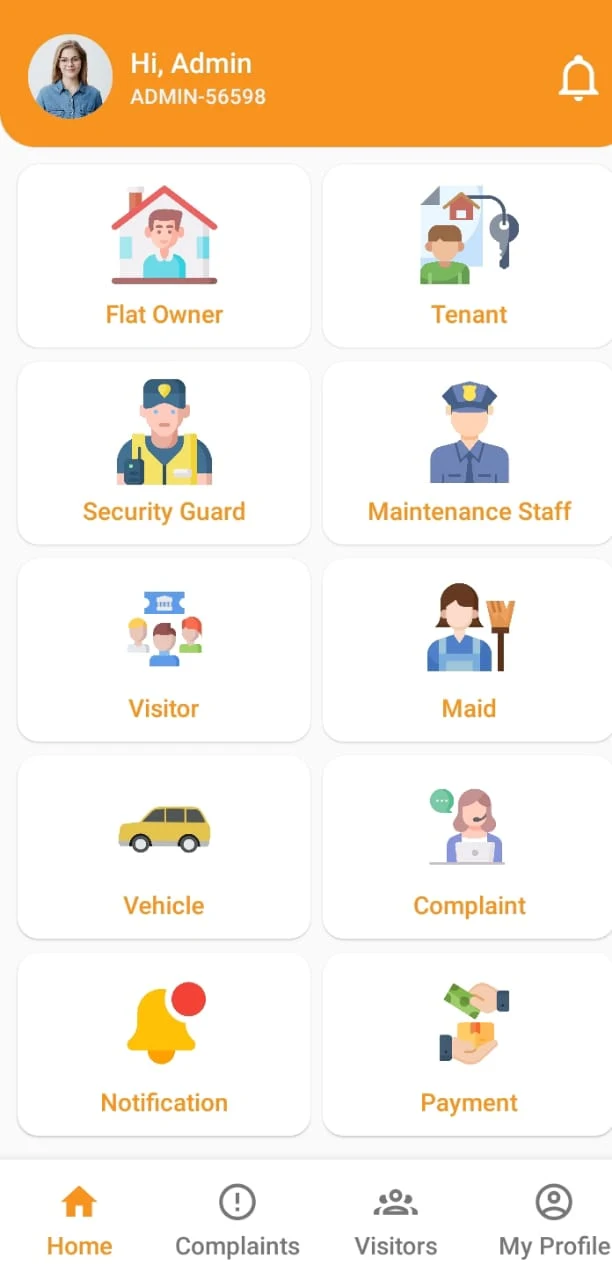
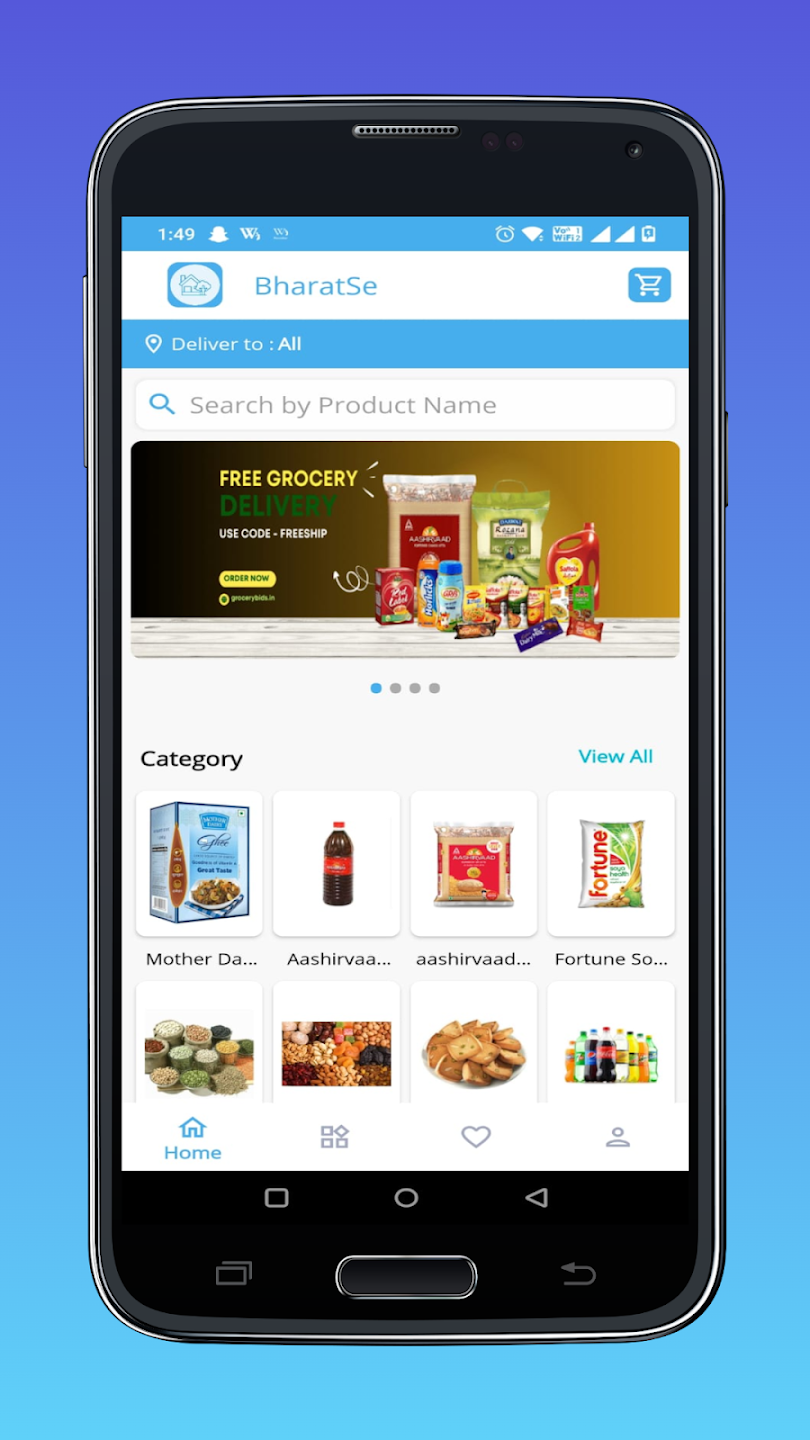
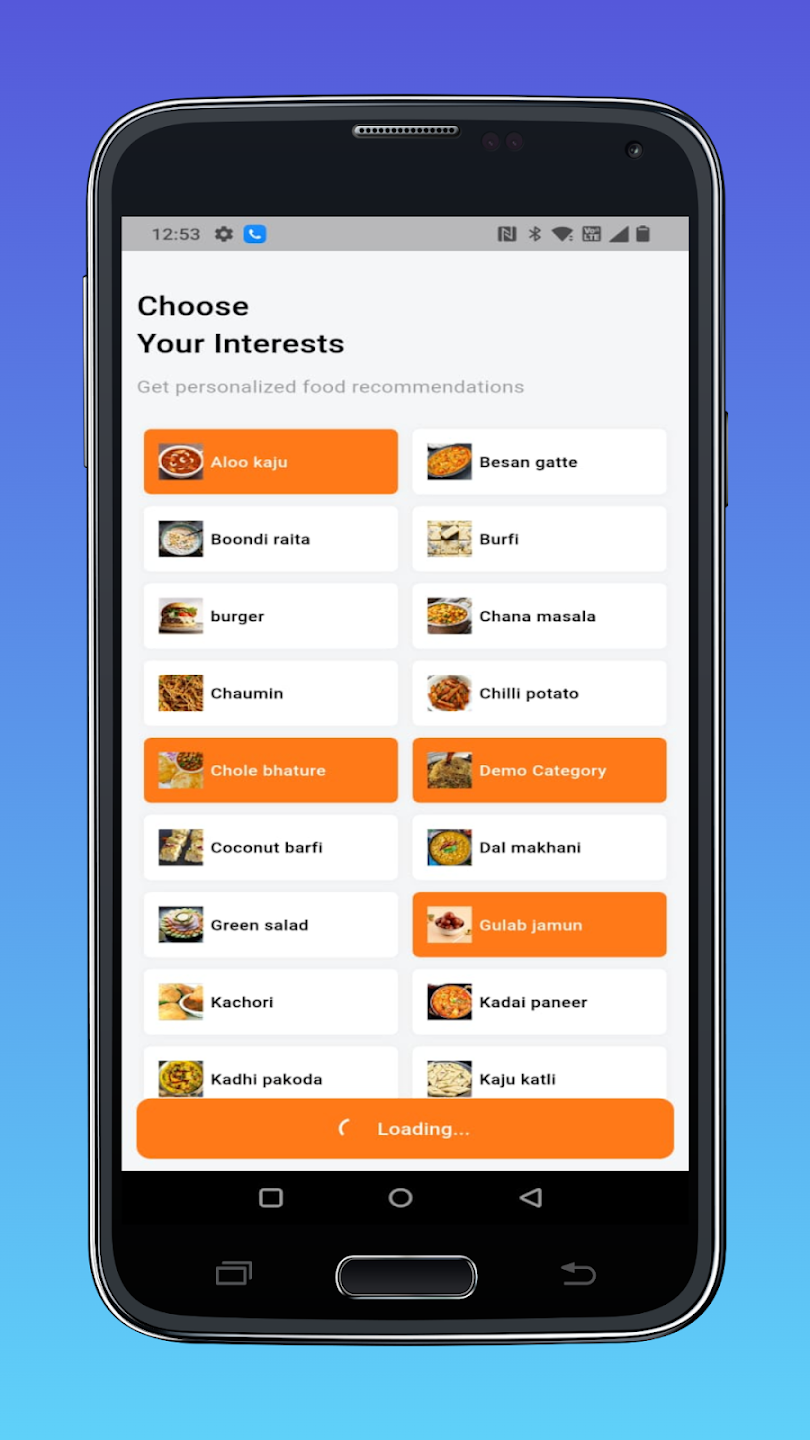
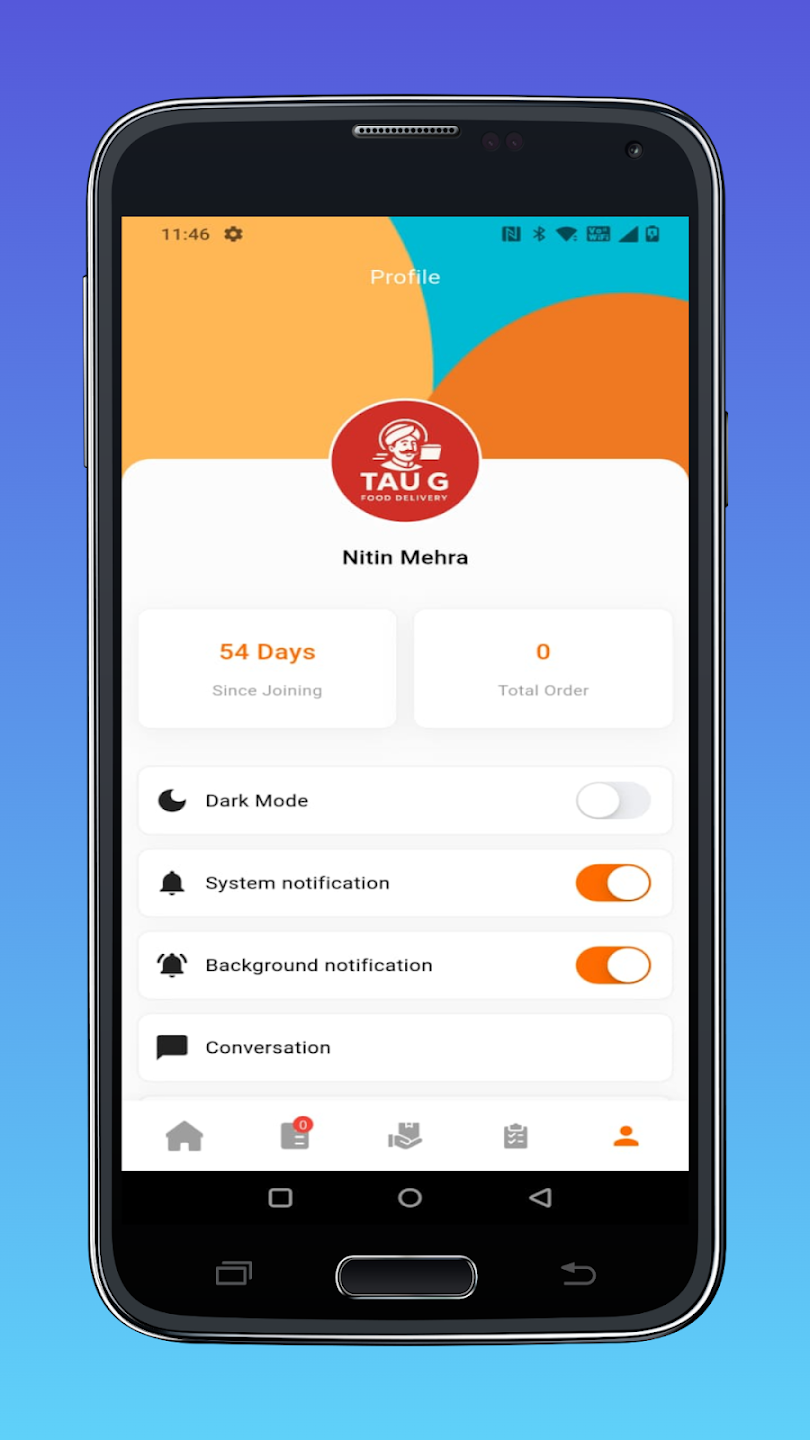
Designing iOS UI
Designing the user interface (UI) of an iOS app is a crucial step that directly impacts user experience. A good UI should be clean, simple, and intuitive, allowing users to navigate the app easily. Apple provides Human Interface Guidelines that developers must follow to ensure consistency and usability across all iOS applications.
Consistency in design is important for maintaining a professional look and feel. Elements such as buttons, fonts, colors, and layouts should be uniform throughout the app. Responsive design is also essential, as the app should work smoothly on different screen sizes and orientations. Touch-friendly elements improve usability and make the app more interactive.
A well-designed UI not only enhances the visual appeal of the app but also increases user engagement and retention. Developers focus on creating smooth animations, easy navigation, and fast loading times to provide a seamless experience. Ultimately, a strong UI design helps build trust and ensures that users continue to use the app regularly.